Using ASTM A36 Plate for Base Plates & Anchor Plates
ASTM A36 steel plate is one of the most commonly specified materials for base plates and anchor plates in structural steel construction. These plates play a critical role in transferring loads from columns, equipment, and steel frames into concrete foundations. Due to its balanced strength, excellent weldability, and fabrication ease, ASTM A36 plate is widely trusted by structural engineers, EPC contractors, and fabricators for foundation-level steel connections.
What Is ASTM A36 Plate Used for in Base Plates & Anchor Plates?
ASTM A36 steel plate is used for base plates and anchor plates to distribute structural loads from steel columns or equipment into concrete foundations. Its predictable yield strength, flatness, and weldability make it suitable for bolted and welded foundation connections in buildings and infrastructure projects.
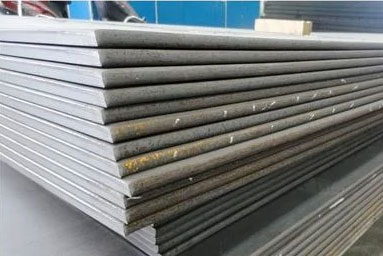
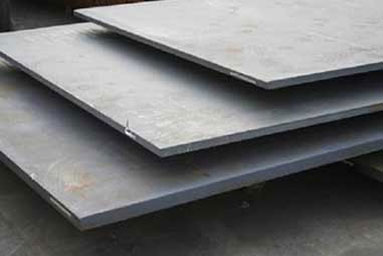
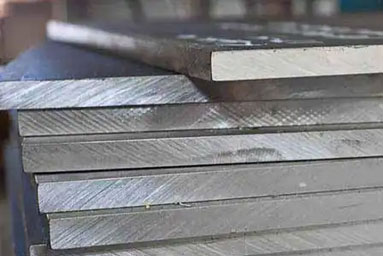
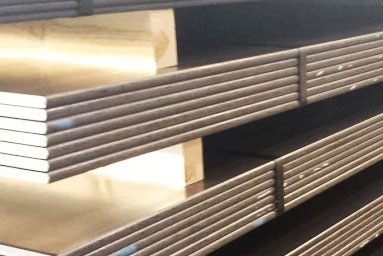
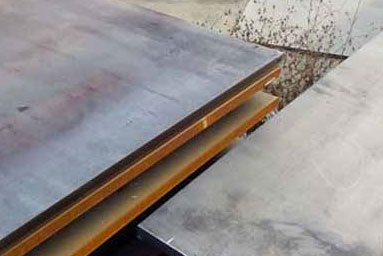
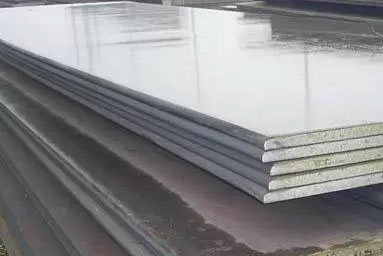
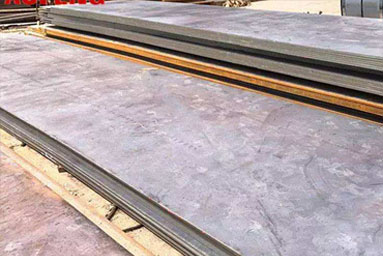
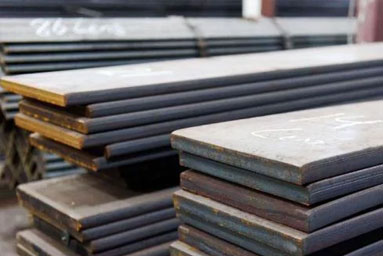
ASTM A36 Steel Plate – Product Details
Why Base Plates & Anchor Plates Are Critical in Structural Construction
Base plates and anchor plates are not secondary components — they are primary load-transfer elements that directly affect structural stability.
In construction projects, these plates:
- Transfer vertical and lateral loads into concrete
- Maintain column alignment and positioning
- Work with anchor bolts to resist uplift and shear forces
- Compensate for minor foundation level variations
Any failure or poor material choice at this level can lead to settlement issues, misalignment, or long-term structural distress.
Why ASTM A36 Plate Is Preferred for Base & Anchor Plate Applications
ASTM A36 plate aligns well with real-world foundation connection requirements:
- Adequate yield strength for standard structural loads
- Excellent weldability for column-to-plate connections
- Easy drilling and slotting for anchor bolt layouts
- Good surface flatness for uniform load distribution
- Cost-effective for repetitive foundation details
Because most base plate designs rely on bearing stress rather than extreme tensile strength, ASTM A36 provides the ideal balance between performance and economy.
Learn about Champak Industries’ structural steel experience
How ASTM A36 Plate Performs in Base Plates & Anchor Plates
Base plates and anchor plates operate at the critical interface between steel and concrete. ASTM A36 plate performs exceptionally well because:
- Loads are primarily compressive bearing stresses
- Ductility allows stress redistribution without brittle failure
- Welds remain reliable under service conditions
- Plates can be machined accurately for anchor bolt layouts
- Structural behavior is predictable and code-compliant
For most buildings, warehouses, sheds, and infrastructure structures, ASTM A36 plate meets engineering intent without unnecessary cost escalation.
Key Applications of ASTM A36 Plate as Base Plates & Anchor Plates
1️⃣ Column Base Plates for Steel Buildings
Used beneath I-section, box, and pipe columns to spread loads, resist uplift, and allow leveling during erection.
2️⃣ Anchor Plates for RCC & Pre-Engineered Buildings
Cast into concrete to receive steel columns and frames, providing durable steel-to-concrete connections.
3️⃣ Equipment Base Plates & Machinery Foundations
Used for compressors, pumps, generators, crushers, and batching plants to handle static loads and vibration.
4️⃣ Anchor Plates for Pipe Racks & Utility Structures
Provide column fixing, lateral load resistance, and alignment under thermal movement.
5️⃣ Base Plates for Warehouses & Logistics Buildings
Preferred for bulk usage due to economy, fast fabrication, and easy modification.
6️⃣ Anchor Plates in Infrastructure & Civil Structures
Used in light bridges, gantries, metro structures, and utility foundations.
Technical Considerations for ASTM A36 Base & Anchor Plates
- Plate thickness based on bearing pressure and bending
- Anchor bolt size, spacing, and edge distance
- Weld type and access conditions
- Surface flatness for uniform load transfer
- Concrete strength compatibility
ASTM A36 Plate vs Higher-Strength Steels for Base Plates
- ASTM A36 Plate: Ideal for standard columns and equipment bases
- High Tensile Plates: Used for high bending or uplift forces
- Alloy Plates: Selected for seismic or aggressive environments
Reference: High Tensile Plates
Why Choose Champak Industries for A36 Base & Anchor Plates
- Certified ASTM A36 steel plates
- Consistent flatness and thickness
- Cut-to-size and drilled plate supply
- Bulk quantities for large projects
- Proven construction and infrastructure experience
Get Quote — ASTM A36 Plate for Base Plates & Anchor Plates
If your project involves steel columns, machinery foundations, warehouses, or infrastructure structures, choosing the right base and anchor plate material is critical.
Request pricing & technical support
View ASTM A36 Plate Specifications
ASTM A36 Plate — A Proven Foundation Steel
ASTM A36 steel plate remains the most trusted choice for base plates and anchor plates because it delivers dependable structural behavior, fabrication ease, and economic efficiency. When supplied by Champak Industries, it becomes a reliable foundation for safe and durable construction.