

Champak Industries is one reputed stockiest and Supplier of Alloy 400 plates or Alloy 400 in the annealed condition in thicknesses from 3/16" (4.8mm) through 3" (76.2mm). Alloy 400, in the annealed condition, shown moderate strength. The alloy is also available in the as-rolled condition (Alloy 400AR) which imparts higher strength to the alloy. Alloy 400AR is stocked in thicknesses from .1875" through 3.00".
Alloy 400 Plates: Purchasing Specification
| Requirement | What to specify |
|---|---|
| Grade and form | Alloy 400 / UNS N04400 plate (W.Nr. 2.4360). |
| Product standard | ASTM B127 or ASME SB127; state the required edition. Add AMS 4544 only where an aerospace purchase specification requires it. |
| Condition | Hot-rolled annealed, or as-rolled (Alloy 400AR) where higher strength is needed. The two conditions have different minimum properties. |
| Published thicknesses | 3/16" to 3" (4.8mm to 76.2mm); individual sizes are listed below. |
| Processing | Full plate, cut piece or profile; drawing, quantity, edge finish and machining allowance. |
| Documents and inspection | Inspection certificate type, heat traceability, PMI and any sour-service or third-party inspection requirements. |
Available thicknesses for Alloy 400
| 3/16" | 1/4" | 3/8" | 1/2" | 5/8" | 3/4" | 1" |
|---|---|---|---|---|---|---|
| 4.8mm | 6.3mm | 9.5mm | 12.7mm | 15.9mm | 19mm | 25.4mm |
| 1 1/4" | 1 1/2" | 1 3/4" | 2" | 2 1/2" | 3" | |
| 31.8mm | 38.1mm | 44.5mm | 50.8mm | 63.5mm | 76.2mm |
Dimensions, Condition and Tolerances
Specify thickness × width × length and the number of plates or pieces, and state whether you need annealed plate or as-rolled 400AR. For profiles, provide a dimensioned drawing with units, revision and finished-part tolerances, and say whether sizes are finished dimensions or include a machining allowance.
ASTM B127 sets the permitted variations in thickness, width, length and flatness. Attach your own limits where they are tighter, and state the surface finish and edge condition you need.
Alloy 400 (UNS N04400) is a ductile nickel-copper alloy with resistance to a spread of corrosive conditions. The alloy is most frequently laid out in environments starting from mildly oxidizing through impartial and in moderately reducing conditions. An additional application place of the material is in marine environments and different non-oxidizing chloride answers.
In plain terms: Alloy 400 is most often used in environments ranging from mildly oxidizing through neutral to moderately reducing, and in seawater and other non-oxidizing chloride solutions. It is not suited to strongly oxidizing media such as nitric acid or solutions containing ferric or cupric salts.
Why Select Alloy 400 Plates?
Alloy 400 is chosen for its resistance to hydrofluoric acid, alkalis and flowing seawater, combined with good ductility and toughness. The main buying decision is the plate condition: annealed plate gives the best ductility for forming, while as-rolled 400AR gives higher strength where forming is limited.
| Condition | Strength (from the table below) | Typical reason to choose |
|---|---|---|
| Hot-rolled, annealed | Yield 28–50 ksi, tensile 70–85 ksi | Forming, bending and general corrosion-resistant fabrication |
| Hot-rolled, as-rolled (400AR) | Yield 40–75 ksi, tensile 75–95 ksi | Higher strength where little forming is needed |
Limitations: Avoid oxidizing acids and salts. In moist, aerated hydrofluoric acid vapour and in contact with mercury compounds, Alloy 400 can suffer stress corrosion cracking; stress relief and control of aeration reduce the risk.
Brand distinction: Alloy 400 is widely known by the trade name Monel® 400, a registered trademark of Special Metals Corporation. Generic UNS N04400 plate is not automatically that brand; name the brand in your enquiry if it is required.
Applications

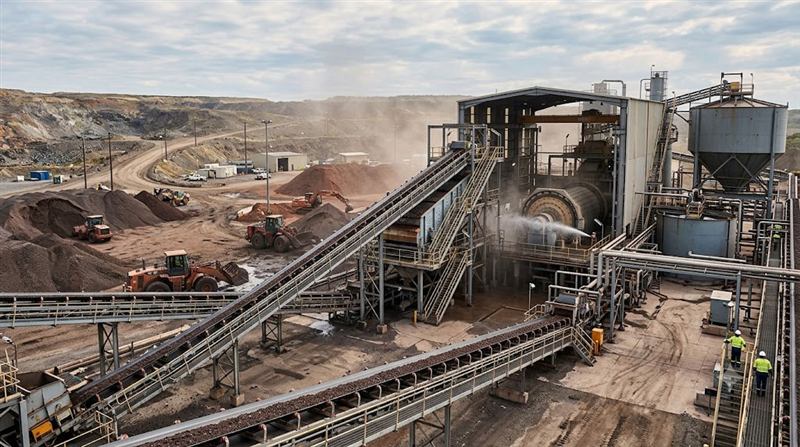
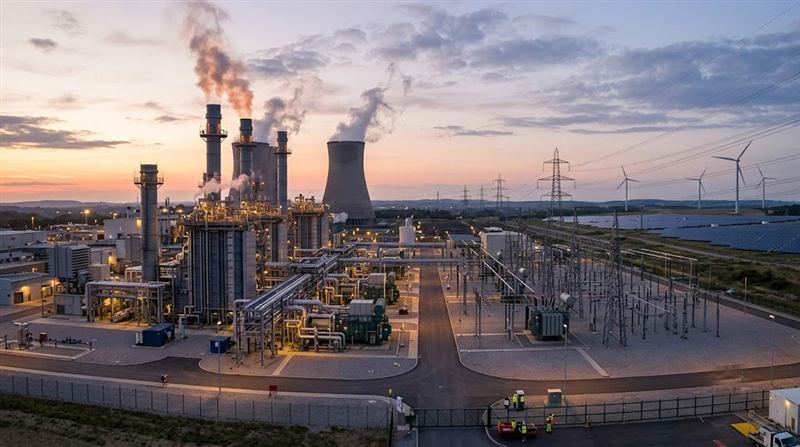
- Chemical Processing Equipment – in fluorine, hydrofluoric acid, hydrogen fluoride, hydrochloric acid, sulfuric acid, neutral and alkaline salt solutions, caustic alkalies, non-oxidizing halides and dry chlorine service.
- Marine Components – shipbuilding, valves, pumps, shafts and in sea and brackish water
- Oil and Gas Production – splash-zones for offshore structures and sour gas applications
- Ore Processing – uranium refining and separation in the production of nuclear fuels
- Petroleum Refining – alkylation units, crude petroleum stills, piping and storage tanks
- Power Generation – feed-water heaters and steam generators
- Water Treatment – brine heaters and evaporators in seawater desalination plants
Specify the Conditions Behind the Application
The applications above are common uses of the material. Match the plate to your equipment’s actual media and design requirements.
| Duty | Information for selection |
|---|---|
| Hydrofluoric and other acids | Acid type and concentration, temperature, aeration and oxidizing contaminants. |
| Seawater and brine | Flow velocity, stagnant periods, fouling, crevices and galvanic contact with other metals. |
| Sour gas | H₂S partial pressure, chlorides, temperature, and hardness limits under ISO 15156-3 / NACE MR0175. |
| Heaters and steam equipment | Water chemistry, temperature, pressure and design code. |
Standards
Alloy 400 plate is ordered to ASTM B127 or ASME SB127 for UNS N04400. The AMS and Federal references apply only where a purchase specification names them.
-
ASTMB 127
Product specification
N04400 plate, sheet and strip: chemistry, mechanical properties by condition, and tolerances.
-
ASMESB 127
Pressure-equipment code
The ASME Boiler and Pressure Vessel Code version of B127, named where code construction requires it.
-
AMS 4544
Aerospace specification
Named only where an aerospace or AMS-based purchase specification calls for it.
-
Federal QQ-N-281
Legacy US federal specification
An older federal specification still quoted on some drawings. For new orders, ASTM B127 is normally named; confirm with the buyer’s specification.
Chemical Analysis
Weight % (all values are maximum unless a range is otherwise indicated)
| Nickel (plus Cobalt) | 63.0 min.-70.0 max. | Iron | 2.50 |
| Copper | 28.0 min.-34.0 max. | Sulfur | 0.024 |
| Carbon | 0.3 | Silicon | 0.5 |
| Manganese | 2.0 |
Reading the chemistry table: Nickel is counted together with cobalt. ASTM B127 sets nickel (plus cobalt) at 63.0% minimum, copper at 28.0–34.0% and the other elements as maximums. These are specification-type limits, not results for the supplied heat; check compliance on the heat certificate.
Mechanical Properties
Nominal Room-Temperature Mechanical Properties of Alloy 400 and 400AR
| FORM AND CONDITION | Yield Strength 0.2% Offset |
Tensile Strength | Elongation, % | Hardness | |||
|---|---|---|---|---|---|---|---|
| ksi | MPa | ksi | MPa | Brinell (3000-kg) |
Rockwell B |
||
| Plate | |||||||
| Hot-Rolled, As-Rolled | 40-75 | 276-517 | 75-95 | 517-655 | 45-30 | 125-215 | 70-96 |
| Hot-Rolled, Annealed | 28-50 | 193-345 | 70-85 | 482-586 | 50-35 | 110-140 | 60-76 |
Nominal ranges, not minimums: The table shows typical ranges. Order acceptance uses the minimums in ASTM B127 for the condition ordered; for hot-rolled plate these are 70 ksi tensile, 28 ksi yield and 35% elongation when annealed, and 75 ksi tensile, 40 ksi yield and 25% elongation as-rolled. Check them against the edition on your purchase order.
Cutting, Fabrication and Welding
Champak Industries describes full and part plate/profile supply and a plasma-cutting service. Send drawings, piece quantities, tolerances, edge finish and machining allowances for your Alloy 400 requirement.
Forming and machining
Annealed Alloy 400 forms readily; as-rolled plate is less ductile. The alloy work-hardens and is gummy to machine, so use sharp tools, rigid set-ups and steady feeds. It is not hardened by heat treatment.
Welding
Weld with a qualified procedure and matching nickel-copper filler, commonly ERNiCu-7 wire or ENiCu-7 electrodes. Clean the joint thoroughly; sulfur, lead and other contaminants cause weld cracking.
Testing, Certificates and Heat Traceability
Specify the inspection-document type, plate condition and heat identification when ordering. Request chemistry, mechanical results and dimensions to the governing specification. For cut pieces, state how identification must be carried from the parent plate to each piece.
| Requirement | What to identify in the order |
|---|---|
| Inspection document | Certificate type (for example EN 10204 3.1 or 3.2) showing heat number, chemistry, condition and mechanical results |
| Heat traceability | Heat marking on each plate and how it is transferred to cut pieces |
| Sour service | ISO 15156-3 / NACE MR0175 compliance and hardness limits, if required |
| PMI and inspection | Positive material identification, dimensional checks and any buyer or third-party witness |
A management-system certificate is separate from a material inspection certificate or project approval. See the company’s Quality Policy for its published policy.
Source Alloy 400 Plates from Champak Industries
Champak Industries’ company profile records its establishment in Mumbai in 1978 and its stockist, import and export activities. This page lists annealed Alloy 400 and as-rolled 400AR plate from 3/16" to 3", so both conditions can be requested in one enquiry, along with the other high nickel alloy plates. Submit the complete material and inspection specification with your enquiry.
What Determines the Alloy 400 Plate Quotation?
Nickel and copper prices, condition (annealed or 400AR), thickness, plate size, quantity, specification, required brand or source, cutting, testing and documentation all affect the quotation. Include the destination and packing requirements, and say whether pricing is needed per kilogram, per plate or per finished piece.
Packing, Dispatch and Export Requirements
Give the delivery address, required date and unloading constraints. Specify protective packing that keeps the plate away from carbon-steel contamination, piece identification and handling needs. For export orders, include the destination port, delivery terms and document list.
Alloy 400 Plates: Frequently Asked Questions
01What is the UNS number for Alloy 400?
Alloy 400 is UNS N04400, also identified as W.Nr. 2.4360. It is a nickel-copper alloy with about two-thirds nickel and one-third copper.
02Is Alloy 400 the same as Monel 400?
Monel® 400 is Special Metals’ trade name for UNS N04400. Generic Alloy 400 plate meets the same UNS grade but is not automatically that brand, so name the brand if your project requires it.
03What is the difference between Alloy 400 and 400AR?
400AR is supplied as-rolled rather than annealed, which gives higher yield and tensile strength but lower elongation. Choose annealed plate for forming and 400AR where higher strength is needed.
04Which specification should I state for Alloy 400 plate?
State ASTM B127 or ASME SB127 with UNS N04400, the condition and the required edition.
05Which thicknesses are listed?
The published range is 3/16" to 3" (4.8mm to 76.2mm), with 13 listed thicknesses. Send the width, length and quantity you need with the thickness.
06Is Alloy 400 suitable for hydrofluoric acid?
Yes, it is one of the main alloys used in hydrofluoric acid service. Aeration and oxidizing contaminants increase corrosion, so give the acid concentration, temperature and aeration in your enquiry.
07Can Alloy 400 plate be welded?
Yes, with a qualified procedure and matching filler such as ERNiCu-7. Joint cleanliness is important to avoid weld cracking.
08Are the properties on this page test results for the plate supplied?
No. They are nominal ranges. Request the heat-specific inspection certificate and any additional tests you need.
09Can Alloy 400 plate be cut to size?
Yes. Send a drawing or the sizes, quantity, tolerances and edge requirements, and state how heat identification must be carried onto each piece.
10How do I get a price and delivery date?
Send the condition, specification, sizes, quantity, cutting, inspection requirements, destination and required date through the enquiry form below, by WhatsApp or by phone.