
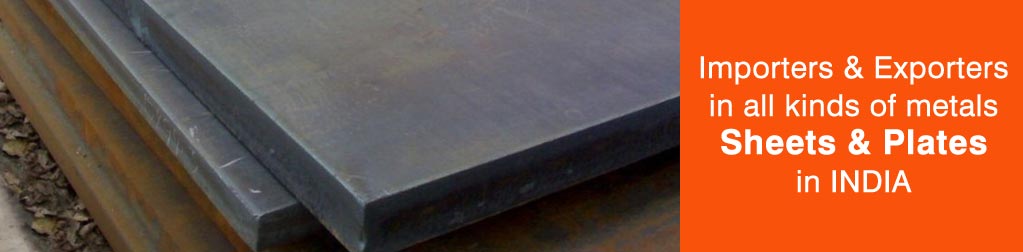
Champak Industries' is a specialist supplier and exporter of thick NICRODUR 400 Plates and NICRODUR 500 Plates wear resistant steel plates. We understand customers whose requirement for wear resistant steel plate is extreme and who cannot use thinner abrasion resistant plates.
This NICRODUR Wear resistant heavy plate NICRODUR is a wear resistant heavy plate with hardness from 360 to 540 HBW. The unique combination of high hardness, high strength and good toughness makes this material well suited for a wide variety of applications in which it is exposed to heavy wear by hard minerals and other abrasive materials. NICRODUR is characterized by its very good weldability, formability and machining properties. The range of NICRODUR products are NICRODUR 400, NICRODUR 450 and NICRODUR 500.
| WNr | Stahl eisen liste | Acroni |
|---|---|---|
| 1.8715 | 17MnCr 5 – 3 | NICRODUR 400 |
| 1.8720 | 18MnCr5-3 | NICRODUR 450 |
| 1.8721 | 26MnCr6-3 | NICRODUR 500 |
Nicrodur 400 Plates: Purchasing Specification
| Requirement | What to specify |
|---|---|
| Brand and grade | Nicrodur 400 Plates; state whether another brand of the 400 HBW class is acceptable. |
| Hardness | 360 – 440 HBW on this page; confirm the guaranteed range for your thickness. |
| Dimensions | Thickness × width × length and the number of plates, or a cutting drawing. This page lists 8 – 80 mm. Sizes are confirmed at quotation. |
| Toughness | Charpy impact test temperature and minimum energy, where the part sees impact or cold service. |
| Processing | Cut-to-size parts, bending and edge preparation, with drawings and tolerances. |
| Documents | EN 10204 3.1 mill test certificate with chemistry and hardness. |
Chemical Composition
| Plate Thickness [mm] | C max | Si max | Mn max | S max | P max | Cr max | Ni max | Mo max | B max | CEV max | |
|---|---|---|---|---|---|---|---|---|---|---|---|
| NICRODUR 400 | |||||||||||
| 8 - 20 | 0,16 | 1,0 | 1,5 | 0,002 | 0,012 | 0,8 | 0,5 | 0,5 | 0,004 | 0,45 | |
| (20) - 40 | 0,18 | 1,0 | 1,5 | 0,002 | 0,012 | 0,9 | 0,5 | 0,5 | 0,004 | 0,56 | |
| (40) - 80 | 0,23 | 1,0 | 1,5 | 0,002 | 0,012 | 1,1 | 0,5 | 0,5 | 0,004 | 0,65 | |
| NICRODUR 450 | |||||||||||
| 8 - 20 | 0,18 | 1,0 | 1,5 | 0,002 | 0,012 | 0,8 | 0,5 | 0,5 | 0,004 | 0,47 | |
| (20) - 40 | 0,19 | 1,0 | 1,5 | 0,002 | 0,012 | 0,9 | 0,5 | 0,5 | 0,004 | 0,56 | |
| (40) - 60 | 0,23 | 1,0 | 1,5 | 0,002 | 0,012 | 1,1 | 0,5 | 0,5 | 0,004 | 0,65 | |
| (60) - 80 | 0,25 | 1,0 | 1,5 | 0,002 | 0,012 | 1,1 | 0,5 | 0,5 | 0,004 | 0,71 | |
| NICRODUR 500 | |||||||||||
| 8 - 25 | 0,28 | 1,0 | 1,5 | 0,002 | 0,012 | 1,0 | 0,5 | 0,5 | 0,005 | 0,61 | |
| (20) - 40 | 0,32 | 1,0 | 1,5 | 0,002 | 0,012 | 1,1 | 0,5 | 0,5 | 0,005 | 0,71 | |
| (40) - 60 | 0,34 | 1,0 | 1,5 | 0,002 | 0,012 | 1,2 | 0,7 | 0,5 | 0,005 | 0,76 | |
| (60) - 80 | 0,40 | 1,0 | 1,5 | 0,002 | 0,012 | 1,5 | 1,0 | 0,5 | 0,005 | 0,81 | |
Reading the chemistry: Decimal commas are used (0,16 means 0.16). In the NICRODUR 500 rows, “(20) – 40” follows “8 – 25” and most likely means over 25 up to 40 mm.
Hardness HBW
| NICRODUR 400 | NICRODUR 450 | NICRODUR 500 |
|---|---|---|
| 360 - 440 | 420 - 477 | 460 - 540 |
Mechanical Properties
| Yield strength(minimal), Re [MPa] | Tensile strength, Rm [MPa] | Elongation (minimal), A5 [%] | |
|---|---|---|---|
| NICRODUR 400 | 1200 | 1380 | 9 |
| NICRODUR 450 | 1280 | 1450 | 9 |
| NICRODUR 500 | 1500 | 1800 | 9 |
Typical values for 15 mm plate thickness
Impact Properties
| Test temperature | Impact energy Charpy – V, transverse |
|---|---|
| [°C] | [J] |
| -40 | 30 |
Typical values for 15 mm plate thickness
Bending
| Thickness | Transverse | Longitudinal | Transverse | Longitudinal | Springback | |
|---|---|---|---|---|---|---|
| NICRODUR 400 | 8 ≥ t < 20 t ≥ 20 |
3,0 4,5 |
4,0 5,0 |
10,0 12,0 |
10,0 12,0 |
9 - 13 |
| NICRODUR 450 | 8 ≥ t < 20 t ≥ 20 |
4,0 5,0 |
5,0 6,0 |
10,0 12,0 |
12,0 14,0 |
11 - 18 |
| NICRODUR 500 | 8 ≥ t < 20 t ≥ 20 |
5,0 7,0 |
6,0 8,0 |
12,0 16,0 |
14,0 18,0 |
12 - 20 |
Minimum recommended punch radius (R) and die opening width (W) for plate thickness (t) when the plate is being bent to 90° along the direction of rolling and at right angles to the direction of rolling – and also the corresponding springback.
Maximum recommended preheat temperature
| 8 | 10 | 15 | 20 | 25 | 30 | 35 | 40 | 45 | 50 | 55 | 60 | 65 | 70 | 75 | 80 | |||||||||||||||||||||||||||||||||||||||||||||||||||||||||||||||||||||||||||||||||||||||||||
|---|---|---|---|---|---|---|---|---|---|---|---|---|---|---|---|---|---|---|---|---|---|---|---|---|---|---|---|---|---|---|---|---|---|---|---|---|---|---|---|---|---|---|---|---|---|---|---|---|---|---|---|---|---|---|---|---|---|---|---|---|---|---|---|---|---|---|---|---|---|---|---|---|---|---|---|---|---|---|---|---|---|---|---|---|---|---|---|---|---|---|---|---|---|---|---|---|---|---|---|---|---|---|---|---|---|---|
| NICRODUR 400 | room | 75 | 100 | 175 | ||||||||||||||||||||||||||||||||||||||||||||||||||||||||||||||||||||||||||||||||||||||||||||||||||||||
| NICRODUR 450 | room | 125 | 150 | |||||||||||||||||||||||||||||||||||||||||||||||||||||||||||||||||||||||||||||||||||||||||||||||||||||||
| NICRODUR 500 | room | 175 | 200 | |||||||||||||||||||||||||||||||||||||||||||||||||||||||||||||||||||||||||||||||||||||||||||||||||||||||
Preheat temperatures: The values rise with thickness, as minimum preheat temperatures do; read them as the minimum preheat for single-plate thickness (°C), and keep below the maximum interpass temperature in the next table.
- for thicknesses up to 13mm | Data from the table is applicable to single plate thickness when welding with a heat input of 1.7kJ/mm. | The consumables determine the preheating temperature if its carbon equivalent is higher than of the plate | Room temperature is approx 20°C
Maximum recommended interpass temperature
| NICRODUR 400 | 225 |
| NICRODUR 450 | 225 |
| NICRODUR 500 | 225 |
Choosing Nicrodur 400 Plates
Nicrodur 400 Plates is in the 400 HBW hardness class. Higher hardness generally lasts longer against sliding abrasion but is harder to bend, cut and weld; where parts also take heavy impact, a tougher, lower class can last longer.
| Class | Nominal hardness | Typical use | Forming and welding |
|---|---|---|---|
| 400 (this page) | About 400 HBW | Dumper bodies, chutes, hoppers, screens | Cold bending and welding with normal care |
| 450 | About 450 HBW | Buckets, liners and heavier wear parts | Larger bending radii; preheat thicker sections |
| 500 | About 500 HBW | Cutting edges, crusher and severe-abrasion liners | Limited forming; strict cutting and welding procedures |
Other Nicrodur classes
Brands of the same class are comparable, not identical; confirm any substitution with the end user. See all brands on Wear Resistant Plates.
Applications for Nicrodur 400 Plates
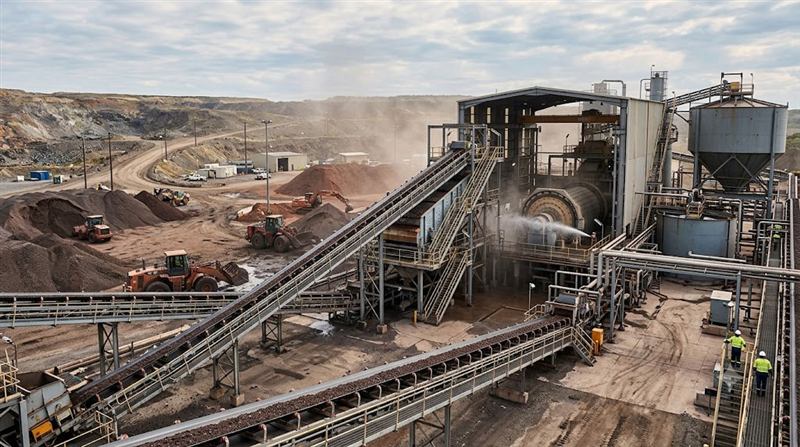
Typical uses include parts exposed to heavy wear from hard minerals and other abrasive materials. Tell us the abrasive material, impact level and the life of the current part so the right class can be quoted.
Cutting, Fabrication and Welding
Champak Industries describes full and part plate/profile supply and a plasma-cutting service. Thermal cutting softens a narrow edge zone, and thick or hard plate may need preheat before cutting. Weld with low-hydrogen consumables and the mill’s preheat and interpass limits; do not heat the plate above the mill’s tempering limit. See AR Plates for bending and drilling guidance.
Testing, Inspection Documents and Traceability
| Requirement | What to identify in the order |
|---|---|
| Mill test certificate | EN 10204 3.1 showing brand and grade, heat number, chemistry and hardness |
| Impact test | Charpy test temperature and minimum energy, if required |
| Traceability | Heat and plate number transferred to cut pieces |
See the company’s Quality Policy for its published policy.
Source Nicrodur 400 Plates from Champak Industries
Champak Industries’ company profile records its establishment in Mumbai in 1978 and its stockist, import and export activities. Nicrodur 400 Plates can be requested together with other brands in the Wear Resistant Plates range.
What Determines the Quotation?
Brand, hardness class, thickness, plate size, quantity, cutting, testing and packing all affect the quotation. Say whether pricing is needed per kilogram, per plate or per finished piece.
Packing, Dispatch and Export Requirements
Give the delivery address, required date and unloading constraints. For export orders, include the destination port, delivery terms and document list.
Nicrodur 400 Plates: Frequently Asked Questions
01What is Nicrodur 400 Plates?
Nicrodur 400 Plates is wear-resistant steel plate in the 400 Brinell hardness class, made by Acroni. It is used where abrasion shortens the life of ordinary structural steel.
02What hardness does Nicrodur 400 Plates have?
This page gives 360 – 440 HBW. Hardness ranges can fall with thickness, so confirm the guaranteed range for your thickness on the mill’s datasheet.
03Who makes this plate?
Nicrodur plate is made by Acroni. The mill and heat number are shown on the mill test certificate.
04Which thicknesses are listed?
This page lists 8 – 80 mm. Availability for each size is confirmed at quotation.
05Is Nicrodur 400 Plates the same as other 400 HBW wear plates?
Wear plates of the same hardness class are comparable, not identical. Chemistry, toughness and processing advice differ by mill, so confirm any substitution with the end user.
06Can Nicrodur 400 Plates be bent?
Yes, by cold bending with larger punch radii and die openings than mild steel. Follow the mill’s minimum radius for the thickness and rolling direction.
07Can Nicrodur 400 Plates be welded?
Yes, with low-hydrogen consumables and the preheat and interpass temperatures the mill gives for the grade and combined thickness.
08What is Nicrodur 400 Plates used for?
Typical uses on this page include parts exposed to heavy wear from hard minerals and other abrasive materials.
09Which certificate should I request?
An EN 10204 3.1 mill test certificate showing the brand and grade, heat number, chemistry and hardness, plus impact results where you specify a test temperature.
10How do I get a price and delivery date?
Send the brand and grade, thickness, size or cutting drawing, quantity, destination and required date through the enquiry form below, by WhatsApp or by phone.