

AR is a very wear-resistant sheet steel. AR is imported and exported worldwide by the Champak Industries. As this steel wears slowly, even under huge mechanical loads, AR is also called wear plate. this fact is mainly interesting for companies that quarry gravel and sand as, for example, excavator buckets or unload truck our bodies made from hardox ultimate rapid longer.
This material is characterised by its uniform evenness, high hardness and high strength. The weight of the constructions produced is reduced significantly. This is possible, because the material's high strength enables thinner steel sheets to be used. AR does not lose its impact resistance, even at low temperatures. As these sheets and plates have very good welding and machining properties, subsequent repairs of wearing parts is not a problem.
By choosing Wear plates with higher hardness levels it is possible to reduce the weight of a construction by up to 15 %. An increase by 50 Brinell extends the life of the work piece by 50 to 80 percent.
AR plates Hardening (quenching) and tempering sheets and plates produces the outstanding properties, which can be lost if worked incorrectly. Therefore precautions and protective measures must be taken when bending, welding, cutting and grinding.
Reading the introduction: The first paragraph means that excavator buckets and tipper (dump) truck bodies made from wear plate last longer. Hardox is a trade mark of SSAB for its own wear plate; “AR” is a general name for abrasion-resistant plate, which mills sell under several brands (see the range in the sidebar). The weight saving and the 50–80% wear-life figure are mill guidance, not guarantees: actual life depends on the abrasive, impact, plate thickness and the hardness of the steel it replaces. Low-temperature impact toughness differs by grade and thickness, so specify a Charpy test temperature if your design needs one.
AR Plates: Purchasing Specification
| Requirement | What to specify |
|---|---|
| Hardness class or brand | AR 400, 450, 500, 550 or 600, or a named brand and grade from the range; state whether another brand of the same hardness class is acceptable. |
| Hardness range | Nominal Brinell hardness (HBW) and the guaranteed range for your thickness; hardness falls with thickness for some grades. |
| Condition | Quenched and tempered, as delivered by the mill. No further heat treatment above the mill’s stated limit. |
| Dimensions | Thickness × width × length in mm and the number of plates, or a cutting drawing for profiles. Sizes are confirmed at quotation. |
| Toughness | Charpy impact test temperature and minimum energy, where the part sees impact or cold service. |
| Documents | Mill test certificate (EN 10204 3.1) with hardness, chemistry and, where specified, impact results. |
Dimensions, Cutting and Tolerances
Give thickness × width × length and the quantity of plates, or send a dimensioned drawing with revision, quantity and finished-part tolerances for cut parts. The available thickness range depends on the hardness class and the mill, as the comparison below shows.
A comparison of different AR grades
AR 400
- Sheet thickness 3 – 130 mm
- Brinell hardness 370 – 430
AR 450
- Sheet thickness 3 – 80 mm
- Brinell hardness 425 – 475
These are used if a combination of high wear resistance and good cold working properties is required. These sheets and plates are used, for example, to produce dumper trucks, screens, chutes, rock crushing machines, excavators and conveyors. These steel grades are characterised by their very good weld ability.
AR 500
- Sheet thickness 4 – 32 mm
- Brinell hardness 470 – 530
- Sheet thickness 32 – 80 mm
- Brinell hardness 370 – 430
AR 550
- Sheet thickness 10 – 50 mm
- Brinell hardness 525 – 575
These are used if high requirements are necessary with regard to wear resistance. These sheets and plates are used, for example, to make conveyors, blades and cutters, buckets for excavators, gear wheels and crushing plants.
The material must not be heated above 250°C, as otherwise the sheet or plate can lose its outstanding properties.
AR 600
- Sheet thickness 8 – 50 mm
- Brinell hardness 560 – 640
This is used if high requirements are necessary with regard to wear resistance. This sheet / plate is used, for example, to make chutes, crushers, hammers and shredders.
AR HiTuf
- Sheet thickness 40 – 120 mm
- Brinell hardness 310 – 370
This is used if extremely high requirements are necessary with regard to toughness (ductility) and wear resistance. It is used to make, for example, demolition tools and cutting edges.
AR Extreme
- Sheet thickness 10 mm
- Brinell hardness 700
- Sheet thickness 25 mm
- Brinell hardness 650
This is used if extremely high requirements are necessary with regard to wear resistance.
This sheet / plate is used, for example, to make hammers, crushers, wear protection plate (armour plate) cutting equipment.
Use plenty of cooling liquid (cooling liquid [l/min] ~ drill bit diameter [mm]
Today this steel is available in the grades: AR 400 / 450 / 500 / 550 / 600 / HiTuf or even Extreme. These differ with regard to their hardness, toughness, flexibility and the possibility of welding.
About these figures: “AR 400” to “AR 600” are hardness classes, not grades of one standard. The thickness and hardness ranges above follow one mill’s published data for its own brand (HiTuf and Extreme are names from that range), so other brands have different thickness limits and hardness ranges. The second AR 500 line (32–80 mm, 370–430 HBW) repeats the AR 400 hardness range; confirm the guaranteed hardness for heavy AR 500 plate with the mill. The cooling-liquid line under AR Extreme is drilling guidance and belongs with the drilling list below. The 250°C limit applies to the grades in this data; check the limit on the datasheet of the brand you order. Brinell hardness is shown as HBW.
Choosing the Right AR Hardness Class
Higher hardness generally gives longer life against sliding abrasion, but it lowers formability and makes cutting and welding more demanding. Where parts also take heavy impact, a lower hardness with higher toughness can last longer than the hardest plate.
| Class | Main reason to choose | Trade-off |
|---|---|---|
| AR 400 | Wear resistance with good bending and weldability | Shorter life than harder classes in severe sliding wear |
| AR 450 | Higher wear life while still cold-formable | Larger bending radii than AR 400 |
| AR 500 | Severe abrasion: buckets, liners, cutting edges | Limited forming; more care in cutting and welding |
| AR 550 / AR 600 | Very severe abrasion in liners, crushers and shredders | Little or no forming; strict cutting and welding procedures |
| Tougher grades (e.g. HiTuf) | Heavy impact with wear, thick sections | Lower hardness, so less abrasion resistance |
Brands of the same hardness class are comparable, not identical; confirm the brand and grade with the end user before substituting.
Applications for AR Plates
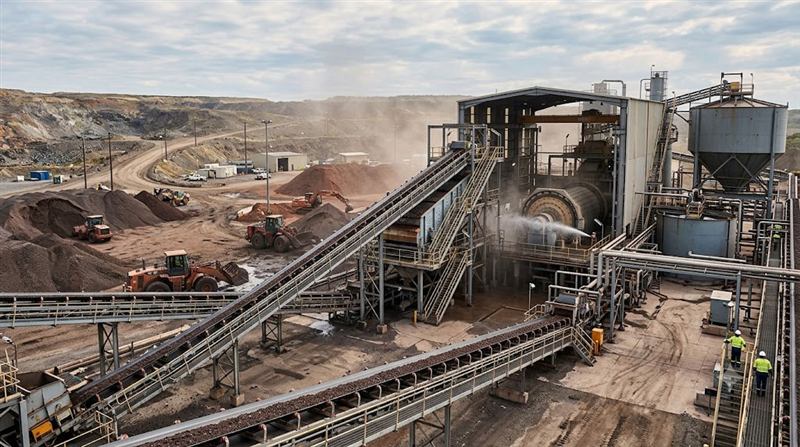
| Equipment | Typical AR plate parts |
|---|---|
| Earthmoving and quarrying | Excavator and loader buckets, cutting edges, dumper and tipper bodies |
| Crushing and screening | Crusher liners, hammers, screens, chutes and hoppers |
| Bulk handling | Conveyor skirts and transfer chutes, wear liners |
| Recycling | Shredder parts and wear protection plates |
These examples come from the grade comparison above. Tell us the abrasive material, impact level and current plate life so we can quote the right class.
AR Flexibility – Bending and Folding
AR plates or wear plates with high strengths can be cold worked by bending and roll bending. Due to the higher strength, however, factors must be applied to ensure that the bending and roll bending can be carried out with the best possible quality.
Rules for Bending and folding
- The bending forces to be applied increases with the increasing strength of the material.
- Metal sheet and plate with higher strength springs back during bending more than normal steel sheets and plates.
- The harder and stronger the metal sheet or plate is, the larger the punch radius and die width that have to be chosen.
Bending in practice: Minimum punch radius and die opening are given as multiples of thickness in each mill’s datasheet, and they differ for bends across and along the rolling direction. Use the figures for the brand and thickness you order.
Metal Plates surface
Defects and rust deposits can reduce flexibility. Therefore, before bending and folding AR such defects must be ground off. During the bending process the machine operator should stand to the side of the press brake, as the high forces that act on the high-strength steel plate can cause cracks in the surface and parts of the work piece surface can shoot off in the bending direction.
The measures are recommended to avoid vibrations and damage
- small distance between the drill bit and machine pillar
- clamp the work piece securely
- do not insert any wood under the work piece
- Use short drill bits and machine spindles, in order to minimize the distance between the tip of the drill and the cantilever arm
- Relax the drill just before penetrating the material, by switching off the feed briefly. This protects the drill against damage.
- Use plenty of cooling liquid (cooling liquid [l/min] ~ drill bit diameter [mm]
Drilling: These measures apply to drilling AR plate. Use carbide or cobalt high-speed-steel drills with low speed and steady feed, as the mill’s datasheet recommends; the cooling-liquid rule means about 1 litre per minute for each millimetre of drill diameter.
Cutting, Fabrication and Welding
Champak Industries describes full and part plate/profile supply and a plasma-cutting service. Send drawings, piece quantities, tolerances and edge preparation for your AR plate parts.
Thermal cutting
Plasma, laser and oxy-fuel cutting soften a narrow zone at the cut edge. Thick or very hard plate may need preheating before cutting to avoid edge cracking; follow the mill’s guidance for the thickness and hardness.
Welding
Use low-hydrogen consumables and the preheat and interpass temperatures the mill gives for the grade and combined thickness. Lower-strength consumables are often used to reduce the risk of cracking; the weld will be softer than the plate.
Testing, Inspection Documents and Traceability
Specify the inspection document and any tests when ordering. A management-system certificate is separate from a material inspection document.
| Requirement | What to identify in the order |
|---|---|
| Mill test certificate | EN 10204 3.1 showing brand and grade, heat number, chemistry and surface hardness (HBW) |
| Impact test | Charpy test temperature and minimum energy, if required |
| Hardness check | Hardness verification on receipt or on cut parts, if required |
| Traceability | Heat and plate number transferred to cut pieces |
See the company’s Quality Policy for its published policy.
Source AR Plates from Champak Industries
Champak Industries’ company profile records its establishment in Mumbai in 1978 and its stockist, import and export activities. The Abrasion Resistant Plates range lists AR plate under several mill brands and hardness classes, so you can enquire for one brand or ask for comparable options in the same class.
What Determines the AR Plate Quotation?
Hardness class and brand, thickness, plate size, quantity, cutting, testing and packing all affect the quotation. Include the destination, and say whether pricing is needed per kilogram, per plate or per finished piece.
Packing, Dispatch and Export Requirements
Give the delivery address, required date and unloading constraints; heavy plate may need special handling. For export orders, include the destination port, delivery terms and document list.
We Supply High Nickel Alloys Plates in listed cities in India
Mumbai, Lucknow, Coimbatore, Imphal, Mysore, Ratlam, Delhi, Kanpur, Darjeeling, Jalandhar, Nagpur, Solapur, Kolkata, Allahabad, Dehradun, Jammu, Nashik, Srinagar, Chennai, Ahmedabad, Faridabad, Jamshedpur, Bhadravati, Chattisgarh, Durgapur, Asansol, Hospet, Bellary, Visakhapatnam, Nellore, Surat, Bangalore, Chandigarh, Ghaziabad, Jhansi, Patna, Siliguri, Hyderabad, Stainless Steel Pipe dealers in Salem, Amritsar, Noida, Kochi (Cochin), Mangalore, Indore, Vadodra, Bhubaneswar, Bikaner, Bhavnagar, Tirupur, Ankleshwar, Warangal, Agartala, Thoothukudi, Stainless Steel Pipe suppliers in Pune, We offer fastest delivery in India including Thiruvanthapuram, Jaipur, Aizawl, Guwahati, Kozhikode, Raipur, Vishakhapatnam, Jabalpur, Bhopal, Gwalior, Ludhiana, Rajahmundry, Thane, Agra, Bhubaneshwar, Gurgaon, Madurai, Rajkot, Varanasi, Bhilai, Haridwar, Meerut, Ranchi, Ahmednagar, Akola, Amravati, Aurangabad, Baramati, Beed, Bhandara, Bhiwandi, Buldhana, Chandrapur, Chimur, Dahanu, Dhule, Dindori, Erandol, Gadchiroli, Hatkanangle, Hingoli, Ichalkaranji, Jalgaon, Jalna, Karad, Khed, Yavatmal, Kolaba, Kolhapur, Kopargaon, Latur, Malegaon, Mumbai, Nagpur, Nanded, Nandurbar, Nashik, Osmanabad, Pandharpur, Parbhani, Rajapur, Ramtek, Ratnagiri, Raver, Sangli, Satara, Shirdi, Shirur, Solapur, Thane, Wardha, Washim, Andhra Pradesh, Jammu and Kashmir, Nagaland, Uttarakhand, Haryana, Lakshadweep, Arunachal Pradesh, Jharkhand, Odisha, West Bengal, Himachal Pradesh, Assam, Karnataka, Punjab, Andaman and Nicobar Islands, Puducherry, Bihar, Kerala, Rajasthan, Chandigarh, Meghalaya, Chhattisgarh, Madhya Pradesh, Sikkim, Dadar and Nagar Haveli, Mizoram, Goa, Maharashtra, Tamil Nadu, Daman and Diu, Tripura, Gujarat, Manipur, Telangana, Delhi, Uttar Pradesh in India.
Location note: The phrases “Stainless Steel Pipe dealers in Salem” and “Stainless Steel Pipe suppliers in Pune” in the list above refer to the cities of Salem and Pune. This page does not cover stainless steel pipe.
Heading note: The heading above names High Nickel Alloys Plates; on this page the city list applies to AR plates. High nickel alloy plate has its own High Nickel Alloys Plates page.
We Supply and Export in listed Country
United States of America, Malaysia, UAE, Indonesia, Saudi Arabia, Iran, Qatar, India, China, United Kingdom, Singapore, Canada, Thailand, South Korea, Turkey, Philippines, Egypt, Germany, Italy, Japan, Russia, Vietnam, Australia, South Africa, Portugal, Morocco, Costa Rica, Kazakhstan, Netherlands, Mexico, Brazil, France, Spain, Taiwan, Nigeria, Bangladesh, Kuwait, Iraq, Ukraine, Poland, Jordan, Romania, Oman, Hong Kong, Venezuela, Colombia, Norway, Chile, Trinidad & Tobago, Greece, Czechia, Belgium, Sri Lanka, Cyprus, Angola, Myanmar (Burma), United Kingdom, Canada, South Korea, Thailand, Netherlands, Spain, Turkey, Australia, Mexico, Pakistan, Vietnam, Brazil, Philippines, France, Taiwan, Poland, South Africa, Russia, Nigeria, Kuwait, Czechia, Norway, Romania, Egypt, Oman, Sweden, Belgium, Hong Kong, Israel, Colombia, Switzerland, Denmark, Finland, Argentina, Venezuela, Peru, Ukraine, Chile, Bangladesh, Portugal, Ireland, Austria, Algeria, Greece, Iraq, New Zealand, Slovakia, Hungary, Kazakhstan, Slovenia, Lithuania, Serbia, Sri Lanka, Bahrain, Bulgaria, Morocco, Tunisia, Croatia, Jordan, Ecuador, Trinidad & Tobago, Estonia, Azerbaijan, Ghana, Lebanon, Cyprus, Dominican Republic, Latvia, Libya, Costa Rica, Cambodia, Macedonia (FYROM), Belarus, Jamaica, Palestine, Turkmenistan
AR Plates: Frequently Asked Questions
01What are AR plates?
Abrasion-resistant steel plates that are quenched and tempered to a high surface hardness, so they wear more slowly than ordinary structural steel.
02What does the number in AR 400 or AR 500 mean?
It is the nominal Brinell hardness (HBW). AR 400 is about 400 HBW and AR 500 about 500 HBW; each mill guarantees its own range.
03Is there one standard for AR plate?
No. AR grades are hardness classes sold under mill brands, each with its own datasheet for chemistry, hardness, toughness and thickness range.
04Which thicknesses are listed on this page?
The comparison lists 3–130 mm for AR 400, 3–80 mm for AR 450, 4–80 mm for AR 500, 10–50 mm for AR 550 and 8–50 mm for AR 600. Ranges differ by brand.
05Should I choose the hardest AR plate?
Not always. Harder plate resists sliding abrasion better but is harder to bend, cut and weld, and may be less tough under heavy impact.
06Can AR plate be bent?
AR 400 and AR 450 can be cold bent with larger punch radii and die openings than mild steel; very hard grades allow little or no forming.
07Can AR plate be welded?
Yes, with low-hydrogen consumables and the preheat the mill specifies for the grade and thickness.
08Why must AR plate not be heated above 250°C?
Heating above the tempering limit softens the quenched and tempered structure and reduces hardness. Check the limit for the brand you order.
09Which certificate should I request?
An EN 10204 3.1 mill test certificate showing chemistry and hardness, plus impact results where you specify a test temperature.
10How do I get a price and delivery date?
Send the hardness class or brand, thickness, sizes or drawing, quantity, destination and required date through the enquiry form below, by WhatsApp or by phone.