
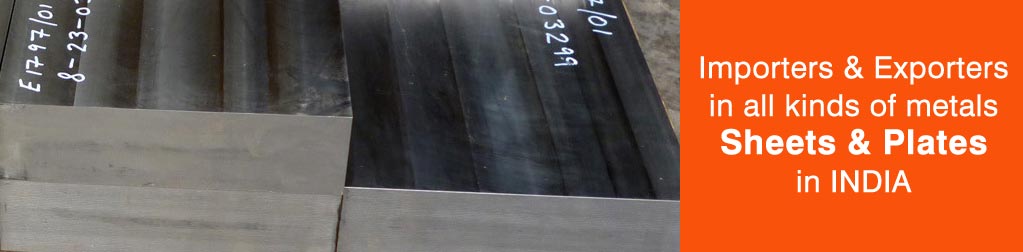
Most commonly used steel specifications for Chrome Moly plate are ASME SA387 and ASTM A387
Chemical and mechanical properties of the ASME and ASTM specifications are the same.
Champak Industries supplies Chrome Moly plates to ASME SA387 and ASTM A387 both from stock and, where required by the customer, cut to size and shape. SA387 and A387 are described as a "Standard Specification for Pressure Vessel Plates, Alloy Steel, and Chromium-Molybdenum.
Chrome Moly Plate
ASME SA / ASTM A387 Gr 11 Cl. 2, ASME SA / ASTM A387 Gr 22 Cl. 2, ASME SA / ASTM A387 Gr 5 Cl. 2, ASME SA / ASTM A387 Gr 9 Cl. 2.
Each grade except Grades 21L, 22L, and 91 is available in two classes of tensile strength described as Class 1 and Class 2.
The most regularly specified grades and hence those that are most readily available from stock are Grades 12, 11, 22, 5, 91 and 9 and in most case stock plates will be produced to the tensile requirements of Class 2.
As with all ASME and ASTM pressure vessel steels, Chrome Moly to SA387 and A387 is produced in conformity to SA20 / A20 which outlines the testing and retesting methods and procedures, permissible variations in dimensions and weight, quality and repair of defects, marking, loading, and ordering information.
Same requirements, different designation: ASME adopts ASTM A387 as SA-387, so the requirements match for the edition ASME adopts; the certificate must still show the designation and edition your order calls for. The ASTM title is “Standard Specification for Pressure Vessel Plates, Alloy Steel, Chromium-Molybdenum”.
Nominal chromium and molybdenum content by grade
| GRADE | NOMINAL CR CONTENT (%) | NOMINAL MO CONTENT (%) |
|---|---|---|
| 2 | 0.50 | 0.50 |
| 12 | 1.00 | 0.50 |
| 11 | 1.25 | 0.50 |
| 22, 22L | 2.25 | 1.00 |
| 21, 21L | 3.00 | 1.00 |
| 5 | 5.00 | 0.50 |
| 9, 91 | 9.00 | 1.00 |
Grades in this table: The table covers every A387 grade. Grades 5, 9, 11, 12, 22 and 91 have their own pages below; Grades 2, 21, 21L and 22L can be requested. The “L” grades are low-carbon versions with a single strength level.
ASTM A387 Plates: Quick Buying Information
| Buying item | Information to specify |
|---|---|
| Specification and edition | ASTM A387 / A387M with the edition year; ASTM A20 general requirements apply. State if ASME SA-387 certification is also required. |
| Grade and class | Grade 5, 9, 11, 12 or 22 in Class 1 or Class 2, or Grade 91 (single strength level). |
| Heat-treatment condition | Normalized and tempered; annealed is permitted for Class 1. Quenched and tempered where the specification allows it. |
| Dimensions | Thickness × width × length in mm and the number of plates. |
| Supplementary requirements | Simulated PWHT, Charpy impact tests, ultrasonic examination or hydrogen-service tests, as your specification requires. |
| Documents and processing | EN 10204 3.1 or 3.2 certificate, inspection agency, cutting drawing and edge preparation. |
Explore Our ASTM A387 Plate Range
Six ASTM A387 grades, each with a Class 1 and a Class 2 product page. Choose the grade from your design temperature and service, then open the class your design calls for.
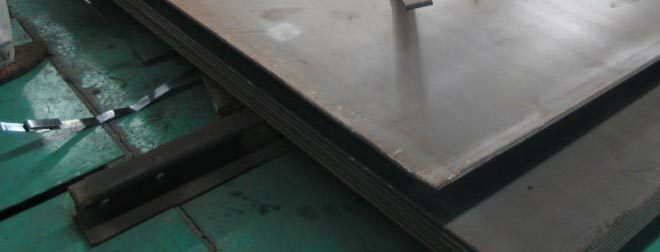
ASTM A387 Grade 5
5Cr–½Mo plate for high-sulfur refinery service where more chromium is specified.
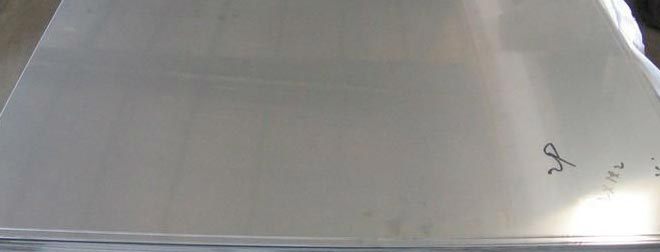
ASTM A387 Grade 9
9Cr–1Mo plate for higher-chromium elevated-temperature and oxidation service.
ASTM A387 Grade 11
1¼Cr–½Mo plate for refinery and power-plant pressure vessels at elevated temperature.
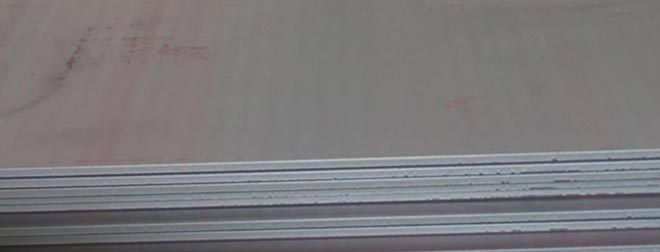
ASTM A387 Grade 12
1Cr–½Mo plate for boilers and pressure vessels at moderately elevated temperature.
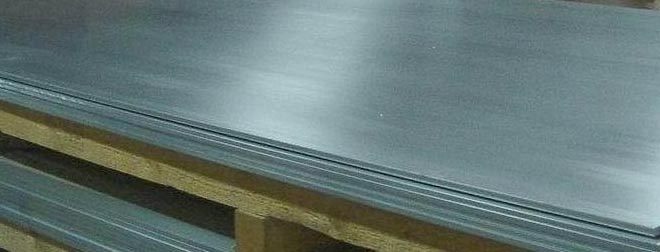
ASTM A387 Grade 22
2¼Cr–1Mo plate for hotter service and hydrogen-service reactors and vessels.
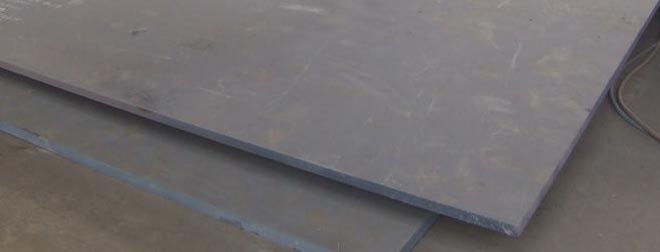
ASTM A387 Grade 91
9Cr–1Mo–V–Nb plate with high creep strength for power and process equipment.
Single strength level: both pages cover the Grade 91 requirements.
ASTM A387, ASME SA387 or Dual Certified?
ASTM A387 is the source specification that ASME adopts as SA-387. Order A387 where your purchase specification names the ASTM standard, and add SA-387 when the equipment is built to the ASME Code.
| Order as | Certificate shows | Use when |
|---|---|---|
| ASME SA387 | SA-387 and the ASME Code edition | The boiler or vessel is built to the ASME Code |
| ASTM A387 | A387 and the ASTM edition year | The purchase specification names the ASTM standard |
| Dual certified | Both SA-387 and A387 | One plate must satisfy both, for example stock for several projects |
How to Select the Right Grade and Class
- Design temperature
- Design strength
- Hydrogen and sulfur
- Edition
- PWHT
Name ASTM A387 with its edition year, because limits change between editions; for example, the phosphorus and sulfur limits in the table below are tighter than those on our SA 387 Chrome Moly Steels page. Choose the grade from the design temperature and service and the class from your design strength, then list any A20 supplementary requirements, such as simulated PWHT or impact tests, before you enquire.
Chemical Requirements
| GR. 2 | GR. 12 | GR. 11 | GR. 22 | GR. 22L | GR. 21 | GR. 21L | GR. 5 | GR. 9 | GR. 91* | |
|---|---|---|---|---|---|---|---|---|---|---|
| C | 0.05-0.21 | 0.05-0.17 | 0.05-0.17 | 0.05-0.15 | 0.10 | 0.05-0.15 | 0.10 | 0.15 | 0.15 | 0.08-0.12 |
| Mn | 0.55-0.80 | 0.40-0.65 | 0.40-0.65 | 0.30-0.60 | 0.30-0.60 | 0.30-0.60 | 0.30-0.60 | 0.30-0.60 | 0.30-0.60 | 0.30-0.60 |
| P | 0.025 | 0.025 | 0.025 | 0.025 | 0.025 | 0.025 | 0.025 | 0.025 | 0.025 | 0.020 |
| S | 0.025 | 0.025 | 0.025 | 0.025 | 0.025 | 0.025 | 0.025 | 0.025 | 0.025 | 0.010 |
| Si | 0.15-0.40 | 0.15-0.40 | 0.50-0.80 | 0.50 | 0.50 | 0.50 | 0.50 | 0.50 | 1.00 | 0.20-0.50 |
| Cr | 0.50-0.80 | 0.80-1.15 | 1.00-1.50 | 2.00-2.50 | 2.00-2.50 | 2.75-3.25 | 2.75-3.25 | 4.00-6.00 | 8.00-10.00 | 8.00-9.50 |
| Mo | 0.45-0.60 | 0.45-0.60 | 0.45-0.65 | 0.90-1.10 | 0.90-1.10 | 0.90-1.10 | 0.90-1.10 | 0.45-0.65 | 0.90-1.10 | 0.85-1.05 |
| V | - | - | - | - | - | - | - | - | 0.04 | 0.18-0.25 |
Reading the chemistry table: Single values are maximums and ranges give both limits (heat analysis, % by mass). The asterisk on “GR. 91*” has no footnote here: Grade 91 also has limits for nickel, niobium, nitrogen, aluminium, titanium and zirconium, which the specification lists. Phosphorus and sulfur limits differ between editions, so the certificate is checked against the edition on your order.
Tensile Requirements For Class 1 Plates
| GRADE | TENSILE (MPA) | YIELD (MPA) | ELONG. (50MM) | REDUC'N OF AREA* |
|---|---|---|---|---|
| 2, 12 | 380 - 550 | 230 min | 22% min | - |
| 11 | 415 - 585 | 240 min | 22% min | - |
| 22, 21, 5, 9 | 415 - 585 | 205 min | 18% min | 40% min |
| 21L, 22L | 415 - 585 | 205 min | 18% min | 40% min |
Reading the tensile tables: The asterisk on “REDUC'N OF AREA*” has no footnote here: 40% applies to flat test specimens, and 45% applies when round specimens are used. Grade 91 does not appear in Class 1 because it has a single strength level, shown in the Class 2 table. Class 1 plate may be supplied annealed.
Tensile Requirements For Class 2 Plates
| GRADE | TENSILE (MPA) | YIELD (MPA) | ELONG. (50 MM) | REDUC'N OF AREA* |
|---|---|---|---|---|
| 2 | 485 - 620 | 310 min | 22% min | - |
| 11 | 515 - 690 | 310 min | 22% min | - |
| 12 | 450 - 585 | 275 min | 22% min | - |
| 22, 21, 5, 9 | 515 - 690 | 310 min | 18% min | 40% min |
| 91 | 585 - 760 | 415 min | 18% min | - |
These are specification minimums and ranges. The mill certificate shows the results for each heat and plate; design allowables come from the applicable code.
Standards and Order References
| Reference | Role in the order |
|---|---|
| ASTM A387 / A387M | Product specification: grades, classes, chemistry, heat treatment and tensile requirements |
| ASTM A20 / A20M | General requirements: tests and retests, dimensional variations, repair of defects, marking and ordering information |
| A20 supplementary requirements | Optional tests added by the purchaser, for example S3 simulated PWHT of test coupons and S5 Charpy impact tests |
| ASTM A435 / A578 | Ultrasonic examination of plate, where specified |
| ASME SA-387 | ASME Code adoption of A387; specify dual certification when the equipment is built to the ASME Code |
Plate Sizes, Tolerances and Delivery Condition
- Thicknessup to 100 mm
- Widthup to 2500 mm
- Lengthup to 12000 mm
These are the chrome moly plate dimensions listed on our Chrome Moly Plates page; ask for availability against the exact grade, class and size. Permissible variations in thickness, width, length, flatness and weight follow ASTM A20. State the heat-treatment condition you require.
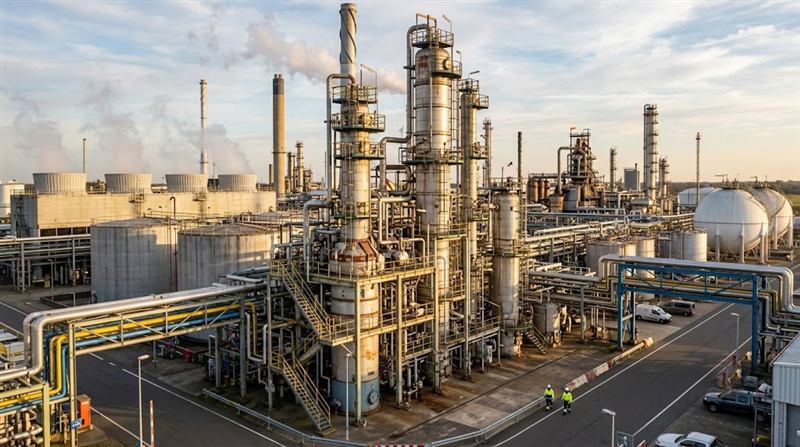
Applications and Service Requirements
| Application | Grades to evaluate | Selection input |
|---|---|---|
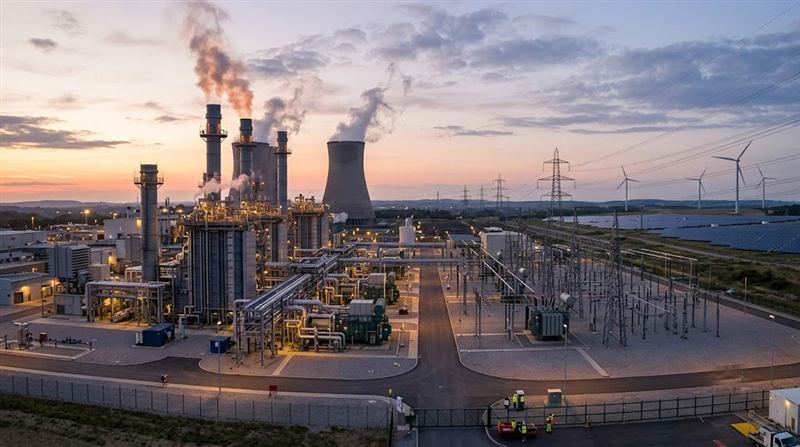
| Hydroprocessing reactors and separators | Grade 22, Grade 11 | Hydrogen partial pressure, temperature, thickness and PWHT |
| Boiler drums, headers and steam vessels | Grade 11, Grade 12, Grade 22, Grade 91 | Design temperature, creep requirements and code |
| Heat exchanger shells and process vessels | Grade 11, Grade 12 | Process temperature, pressure and forming |
| High-sulfur refinery service | Grade 5, Grade 9 | Sulfur content, temperature and oxidation |
These are material application examples, not a list of supplied projects.
Cut-to-Size Plates, Welding and PWHT
As stated above, ASTM A387 plate can be supplied cut to size and shape. Our cutting services include plasma cutting. Send the grade, class, thickness, drawing, quantity and tolerances, and say whether edges will be bevelled or welded; Cr-Mo edges often need preheating before thermal cutting.
Welding consumables
Matching low-hydrogen consumables are normally used, for example E8018-B2 / ER80S-B2 for Grades 11 and 12, E9018-B3 / ER90S-B3 for Grade 22 and B91-type consumables for Grade 91. The qualified WPS sets the consumable.
Preheat and PWHT
Grades 11 and 12 are ASME P-No. 4, Grade 22 is P-No. 5A, Grades 5 and 9 are P-No. 5B and Grade 91 is P-No. 15E. Preheat and PWHT follow the code and WPS; give us the PWHT cycle if test coupons need simulated PWHT.
Testing, Material Documents and Traceability
State the certificate type and test scope with the RFQ. A mill test certificate for the plate and the company's quality-system certification are different documents.
| Requirement | What to identify in the order |
|---|---|
| Material certificate | EN 10204 3.1 or 3.2 showing designation and edition, grade, class, heat treatment, chemistry and tensile results |
| Simulated PWHT | Supplementary requirement S3 with your PWHT temperature, time and number of cycles |
| Impact and ultrasonic tests | Charpy test temperature and energy (S5); UT standard and acceptance level for thick plate |
| Hydrogen service | Any step-cooling, embrittlement-factor or hardness limits your specification sets |
| Traceability and inspection | Heat and plate number on plate and certificate, transfer to cut pieces, and buyer or third-party inspection |
Review our Quality Policy and include your project inspection requirements in the enquiry.
Why Source ASTM A387 Plates from Champak Industries?
Our Mumbai service centre supplies ASTM A387 plate from stock and, where required, cut to size and shape, with a page for every grade and class. As stated above, the most readily available stock grades are 12, 11, 22, 5, 91 and 9, mostly produced to Class 2 tensile requirements. Ask for the edition year on the certificate and for dual ASME certification if you need it. See SA 387 Chrome Moly Steels for both designations together.
ASTM A387 Plate Price and Quotation
Price depends on the grade, class, thickness, plate size, quantity, heat treatment, supplementary tests, certification (single or dual), cutting, inspection, packing and destination. Send a complete requirement for a quotation stating the price basis, tax/freight treatment and validity.
Domestic Dispatch and Export Requirements
For domestic orders, give the delivery address and unloading requirements. For exports, specify the destination, delivery terms, packing and marking instructions and the shipping documents required, with your required delivery date.
Frequently Asked Questions About ASTM A387 Plates
01What is ASTM A387?
ASTM A387 / A387M is the standard specification for chromium-molybdenum alloy steel plate for welded boilers and pressure vessels in elevated-temperature service.
02What is the difference between A387 and SA387?
SA-387 is the ASME Code adoption of A387. For the adopted edition the requirements are the same; the designation and edition on the certificate differ.
03Which A387 grades and classes are available?
Grades 5, 9, 11, 12 and 22 in Class 1 and Class 2, and Grade 91 at a single strength level. Each has its own page.
04Why do Grades 21L, 22L and 91 have only one class?
A387 specifies a single tensile requirement for these grades instead of Class 1 and Class 2, as the original text above notes.
05Why should I state the A387 edition year?
Chemical and supplementary requirements change between editions. Stating the year makes sure the plate and certificate meet the version your specification calls for.
06What does ASTM A20 add to an A387 order?
A20 sets the general requirements for testing, dimensional tolerances, repair, marking and ordering, and lists supplementary requirements such as simulated PWHT and impact testing.
07How is A387 plate heat treated?
Normally normalized and tempered; Class 1 may also be annealed. Quenched and tempered plate may be supplied where the specification permits.
08Which grades are most readily available from stock?
This page lists Grades 12, 11, 22, 5, 91 and 9 as the most readily available, with stock plates mostly produced to Class 2. Confirm availability for your size.
09Can A387 plate be cut to size?
Yes. Plates can be supplied cut to size and shape. Send the drawing, thickness, quantity, tolerances and edge preparation.
10How do I obtain a price and delivery offer?
Send the edition, grade, class, condition, dimensions, quantity, supplementary tests, cutting needs, destination and required date through the form below, by WhatsApp or by phone.